ISRO’s Expanding Space Projects to Boost Remote Sensing, Connectivity, and Climate Monitoring in Ladakh.
New Delhi:
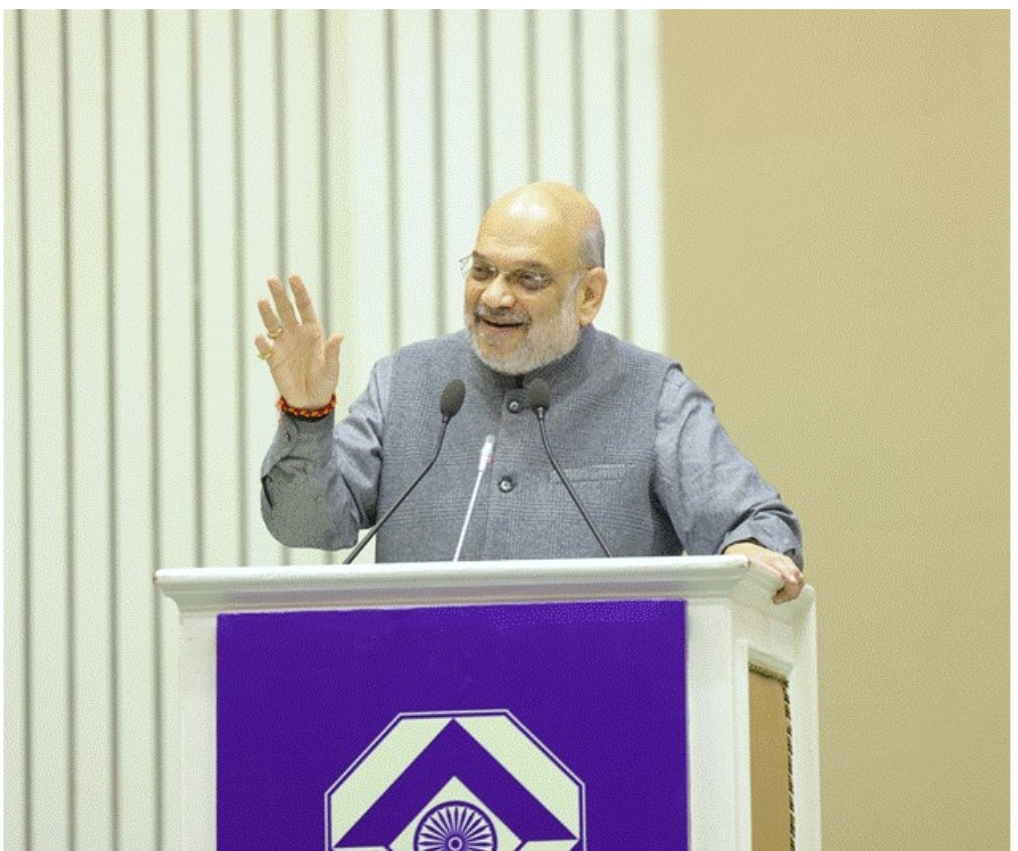
The Indian Space Research Organisation (ISRO) is scaling up its space technology applications to strengthen remote sensing, environmental monitoring, and communication services in the Union Territory of Ladakh. This was confirmed in a written reply to the Lok Sabha today by Dr. Jitendra Singh, Union Minister of State (Independent Charge) for Science and Technology, Earth Sciences, PMO, and other departments.
Satellites to Enhance Observations by 2027-2028
ISRO is in the process of realising several key satellite missions by 2027-2028, including:
- Resourcesat-3 and 3A
- Resourcesat-3S and 3SA
- HRSAT
- G20 Satellite
- TRISHNA Satellite
These will enhance the country’s remote sensing capabilities, benefiting Ladakh through improved observations of natural resources, climate, and land usage.
Current Satellite Coverage Over Ladakh
Data from a range of operational Indian Remote Sensing satellites—including Cartosat-2 series, Cartosat-3, Resourcesat-2 & 2A, RISAT-1A, Oceansat-3, INSAT-3DR & 3DS, SARAL, and the Indo-US NISAR mission—are already being utilized to monitor various aspects of Ladakh’s terrain and environment.
In terms of communication, 12 Indian satellites currently provide coverage over Ladakh, significantly enhancing telecommunication and broadband services. Furthermore, 10 foreign satellites and 3 LEO/MEO constellations have been authorized to deliver services across India, including Ladakh.
Focused Projects for Ladakh’s Development
Several targeted remote sensing application projects are underway specifically for the Ladakh region:
1. Ladakh-Specific Modelling and Space Applications (LAMA):
This initiative conducts scientific investigations into natural resources, environmental changes, and climate impacts in Ladakh. A dedicated geoportal has been developed to help manage and assess these resources.
2. Geo-Ladakh Spatial Data Infrastructure (SDI):
This platform supports diverse development areas including:
- Bio-resources management
- Agriculture and horticulture planning
- Artificial glacier site selection
- Water conservation
- Solar and wind energy harvesting
- Flood hazard assessment
3. AMRUT Missions:
- AMRUT 1.0: Created large-scale urban geospatial databases using very high-resolution satellite imagery for GIS-based master planning of Leh and Kargil.
- AMRUT 2.0: Focused on developing a waterbody information system for both towns.
4. Land Use and Land Cover (LULC) Change Analysis:
ISRO is assessing changes in land use at 1:50,000 scale between 2020-21 and 2025-26.
Disaster Management and Ecosystem Monitoring
Under its Disaster Management Support Programme (DMSP), ISRO provides satellite data for managing natural hazards across India, including the Himalayan belt and Ladakh. These tools are crucial in responding to floods, landslides, and other climate-induced disasters in the fragile ecosystem.
In collaboration with the Natural Resources Census (NR Census) Programme, periodic assessments of land degradation, desertification, and wasteland mapping are carried out in Ladakh and the broader Himalayan region.
Furthermore, ISRO has conducted the “Mountain Ecosystem Studies of North-west Himalaya”, including Ladakh, to monitor resources, geodynamic activity, and natural hazards.
Tracking Space Objects from Hanle, Ladakh
Under the NETRA (Network for Space Object Tracking and Analysis) initiative, ISRO is setting up an optical telescope at Hanle, Ladakh, to track space objects in the Geostationary Earth Orbit (GEO). This facility will play a strategic role in space situational awareness and orbital debris tracking.
These initiatives underscore ISRO’s expanding commitment to integrating space technology in national development, particularly in strategically sensitive and environmentally fragile regions like Ladakh. From boosting connectivity to mapping climate change and disaster preparedness, the space agency’s efforts are poised to play a crucial role in transforming Ladakh into a model for high-altitude, sustainable development backed by cutting-edge science and technology.