WHO Partners with Global Lawmakers at 151st IPU Assembly to Advance Health Equity, Humanitarian Protection, and Resilient Health Systems.
Geneva:
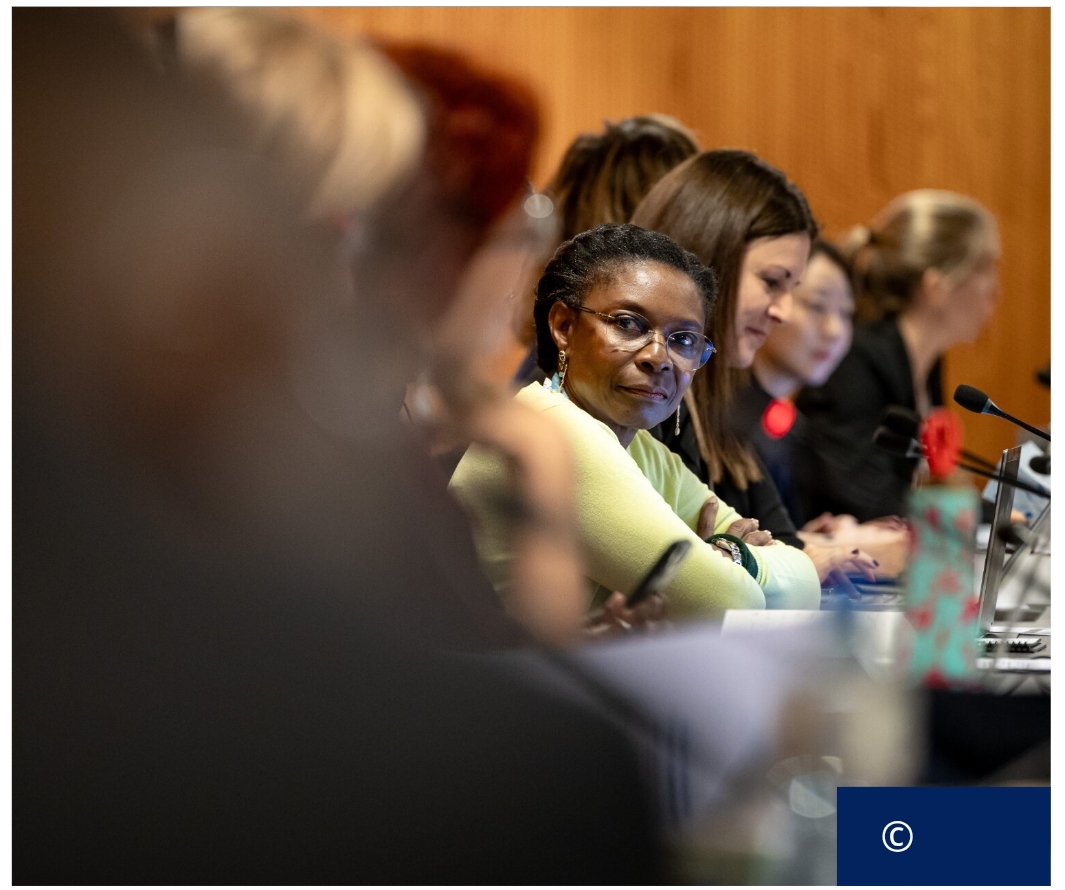
The World Health Organization (WHO) joined parliamentary leaders from across the globe at the 151st Inter-Parliamentary Union (IPU) Assembly, held in Geneva from 19–23 October 2025. The event brought together nearly 1,150 delegates, including over 600 members of parliament from 132 countries, to discuss strengthening global health, humanitarian principles, and resilience in times of crisis.
Throughout the week, WHO worked with IPU and partners to reinforce the role of parliaments in achieving health equity, protecting humanitarian norms, and promoting resilient health systems that safeguard the rights and well-being of all.
Focus on Health Equity and SRHR
The Assembly featured the first meeting of the IPU Committee on Health, established earlier in 2025 to enhance parliamentary engagement on health. Dr Pascale Allotey, Director of WHO’s Department of Sexual, Reproductive, Maternal, Child and Adolescent Health and Ageing, emphasized the need to align sexual and reproductive health and rights (SRHR) policies with real-world challenges. She called for evidence-based legislation and reaffirmed WHO’s commitment to supporting parliaments in advancing SRHR as part of universal health coverage (UHC).
Tackling Food Insecurity and Malnutrition
In a high-level workshop titled “Breaking the Hunger Cycle: Addressing Food Security”, WHO collaborated with FAO, PMNCH, and IPU to address malnutrition and promote parliamentary leadership in achieving global nutrition targets. WHO Technical Officer Kaia Engesveen presented recent data showing persistent challenges in malnutrition and urged lawmakers to adopt effective interventions such as food fortification, taxation on sugary drinks, and restrictions on unhealthy food marketing.
Upholding Humanitarian Norms in Crises
The Assembly’s General Debate centered on the theme “Upholding Humanitarian Norms and Supporting Humanitarian Action in Times of Crisis.” WHO’s Elisa Scolaro highlighted that health often becomes the first casualty in crises and urged parliaments to protect health workers, ensure sustainable financing, and fight misinformation. The debate concluded with the adoption of the Geneva Declaration, affirming that hospitals, medical staff, and facilities must never be targeted in conflict zones.
Empowering Youth Leadership
Representing the WHO Youth Council, Jingxin Xiao addressed the Forum of Young Parliamentarians, calling for stronger youth engagement in decision-making, integration of health and climate education, and protection of youth mental health in crisis situations.
Advancing Tobacco Control
On the sidelines, WHO’s Framework Convention on Tobacco Control (FCTC) Secretariat hosted a session on “Parliamentary Engagement: Strengthening Collaboration on Tobacco Control and Beyond.” Lawmakers and WHO experts discussed legislative strategies to increase tobacco taxes, counter industry interference, and align tobacco control with broader health and sustainable development goals.
Reinforcing WHO–IPU Partnership
The Assembly reaffirmed WHO’s deepening collaboration with the IPU, with over 50 WHO experts participating. Looking ahead, WHO and IPU will continue their partnership at the Global Parliamentary Forum on Health, scheduled alongside the World Health Assembly in May 2026.
WHO reiterated its commitment to working with parliamentarians worldwide to advance universal health coverage, global health security, and health promotion, particularly focusing on the health and well-being of women, children, and adolescents.