WHO and India Open Second Global Summit on Traditional Medicine to Boost Evidence, Innovation and Global Health Access.
New Delhi:
The World Health Organization (WHO), in partnership with the Government of India, today opened the Second Global Summit on Traditional Medicine, bringing together government ministers, scientists, Indigenous leaders and traditional medicine practitioners from more than 100 countries. The three-day summit is expected to unveil major scientific initiatives and new international commitments aimed at accelerating implementation of the WHO Global Traditional Medicine Strategy 2025–2034.
The Strategy focuses on strengthening scientific evidence, improving regulation, integrating traditional medicine into health systems, enhancing collaboration, and deepening community engagement. WHO officials say these efforts are critical as health systems worldwide face mounting pressure from rising costs, inequitable access, and increasing disease burdens.
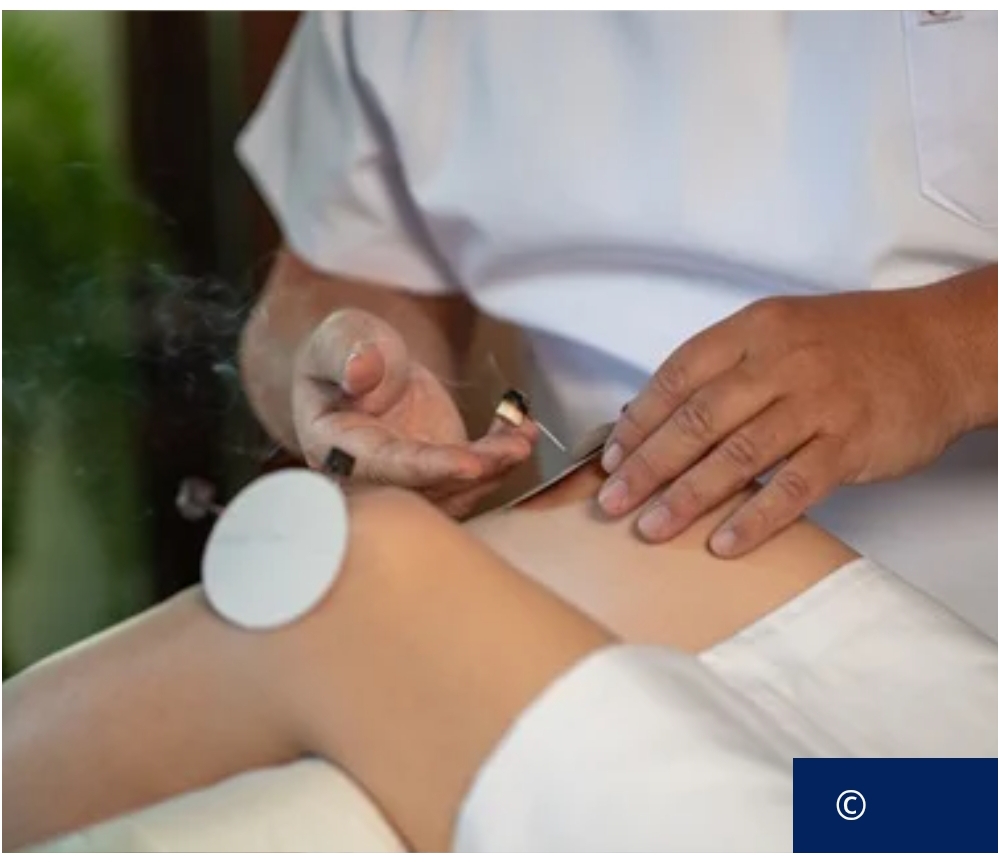
Traditional medicine (TM) includes both codified and non-codified systems of healing that predate biomedicine and continue to evolve for modern use. For millions of people, particularly in low- and middle-income countries, TM remains the primary source of health care due to its accessibility, affordability and cultural relevance. According to WHO, nearly 90% of its Member States—170 out of 194—report that between 40% and 90% of their populations use some form of traditional medicine.
“WHO is committed to uniting the wisdom of millennia with the power of modern science and technology to realise the vision of health for all,” said WHO Director-General Dr Tedros Adhanom Ghebreyesus at the opening of the Summit. “By engaging responsibly, ethically and equitably, and by harnessing innovation from artificial intelligence to genomics, we can unlock the potential of traditional medicine to deliver safer, smarter and more sustainable health solutions for every community and for our planet.”
Integrating traditional medicine into health systems
The Summit comes at a time when global inequities in health care remain stark. WHO estimates that nearly half of the world’s population—around 4.6 billion people—lack access to essential health services, while more than 2 billion experience financial hardship when seeking care. WHO officials emphasized that integrating traditional medicine into national health systems could expand access to affordable, people-centred care and help advance universal health coverage (UHC).
Emerging research suggests that well-regulated integration of TM can improve health outcomes and generate cost efficiencies, particularly through prevention and health promotion. It may also contribute to broader public health benefits, including more appropriate use of antibiotics.
However, WHO stressed that effective integration requires strong scientific foundations, global standards for quality and safety, and robust regulatory frameworks. “We need to apply the same scientific rigour to the assessment and validation of biomedicine and traditional medicines, while respecting biodiversity, cultural specificities and ethical principles,” said Dr Sylvie Briand, WHO Chief Scientist. She highlighted the role of frontier technologies—such as AI, genomics, systems biology and advanced data analytics—in transforming how traditional medicine is studied and applied.
Innovation, Indigenous rights and sustainable development
Traditional medicine also underpins rapidly growing global industries, including herbal medicines and natural health products. WHO noted that all traditional medicine formulations, and more than half of biomedical pharmaceuticals, are derived from natural resources, which continue to be a vital source of new drug discovery.
Indigenous Peoples, who make up just 6% of the global population, safeguard an estimated 40% of the world’s biodiversity. WHO emphasized that advancing traditional medicine must go hand in hand with protecting Indigenous rights, ensuring fair trade, and promoting equitable benefit-sharing.
Despite its widespread use and economic significance, less than 1% of global health research funding is currently dedicated to traditional medicine. To help close this gap, WHO announced the launch of the Traditional Medicine Global Library, the first comprehensive global repository of its kind. The Library includes more than 1.6 million scientific records covering research, policies, regulations and thematic collections related to diverse traditional medicine practices.
Developed following calls from Heads of State during G20 and BRICS meetings in 2023, the Library will provide equitable online access to peer-reviewed content for institutions in lower-income countries through the Research4Life initiative. It will also support countries in documenting traditional medicine with appropriate intellectual property protections and in building scientific capacity to drive innovation.
“Advancing traditional medicine is an evidence-based, ethical and environmental imperative,” said Dr Shyama Kuruvilla, Acting Director of WHO’s Global Traditional Medicine Centre. “The Global Summit fosters the conditions and collaborations required for traditional medicine to contribute at scale to the flourishing of all people and the planet.”
The Summit, running from 17 to 19 December in New Delhi, is expected to conclude with new commitments from governments and stakeholders, as well as a call to establish a global consortium to address systemic gaps and accelerate implementation of the WHO Global Traditional Medicine Strategy worldwide.