
Divine Court of the Dev Samaj: Historic ‘Harka’ of Chohar Valley Held at Trilokinath Temple During Shivratri Fair.
Shimla:
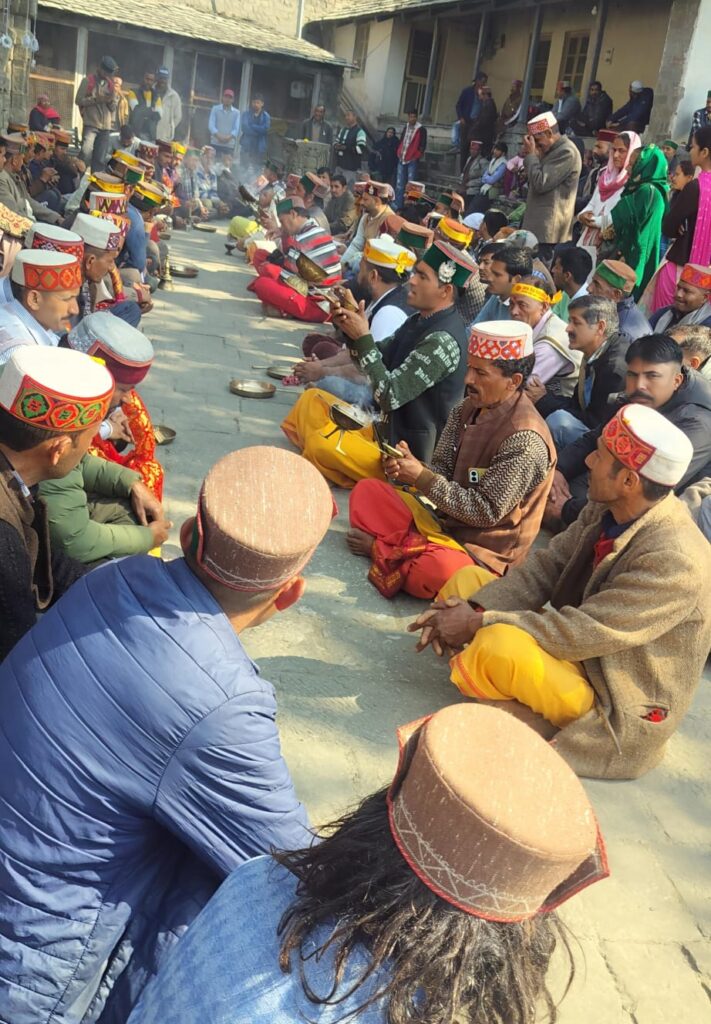
Amid the vibrant celebrations of the International Shivratri Fair in Mandi district of Himachal Pradesh, the historic and spiritually significant ‘Harka’ of Chohar Valley was solemnly convened on Saturday at the ancient Trilokinath Temple. The traditional congregation brought together deities, temple functionaries, and members of the Dev Samaj to deliberate on community matters, disputes, and spiritual concerns in accordance with centuries-old customs.
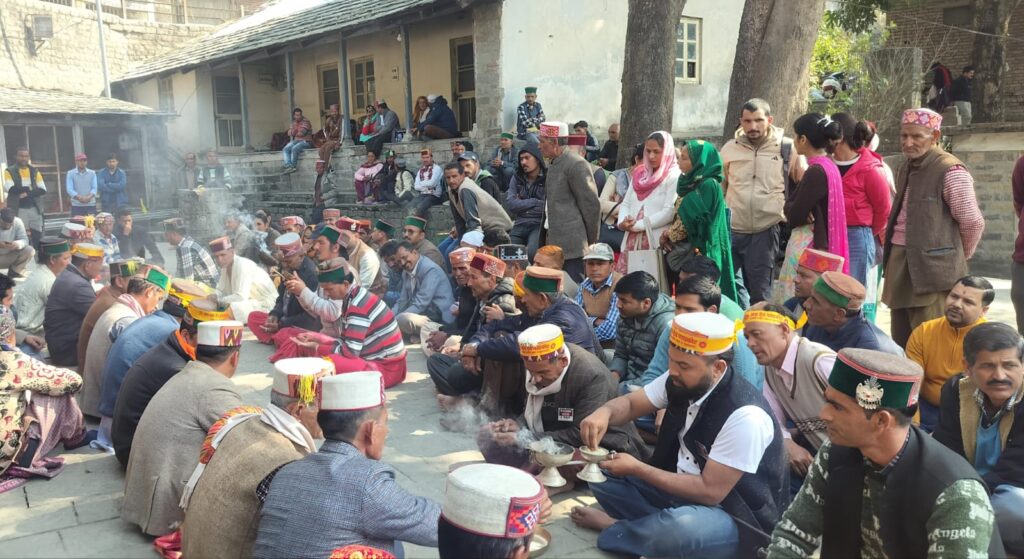
The annual ritual is held during the fair in the presence of the valley’s presiding deity, Shri Hurang Narayan, regarded as the chief among the regional gods. Gur (oracles), priests, kardars (temple managers), committee heads, dumchs, and other representatives of various temples assembled to participate in the sacred proceedings.
Prominent deities represented at the Harka included Shri Ghadoni Narayan, Dev Shri Pashakot—popularly known as the “Pahari Wazir,” Devta Shri Pekhru, Devta Shri Drun Gahri, and Devta Shri Trailoo Mahadev. Each deity’s delegation arrived carrying traditional paraphernalia such as karandis (sacred baskets), incense burners (dhangyara), and ceremonial bells. The rituals were performed collectively before Hurang Narayan, reaffirming his traditional status as the spiritual sovereign of the valley.
What is ‘Harka’?
In Dev culture, ‘Harka’ signifies a sacred consultative and judicial assembly where matters concerning the community are placed before the deities. Issues related to disputes, social discord, disease, rainfall, agricultural prosperity, and general well-being are discussed. Devotees seek divine guidance for protection against illness, natural calamities, and conflicts, as well as for harmony and prosperity in human and livestock life.
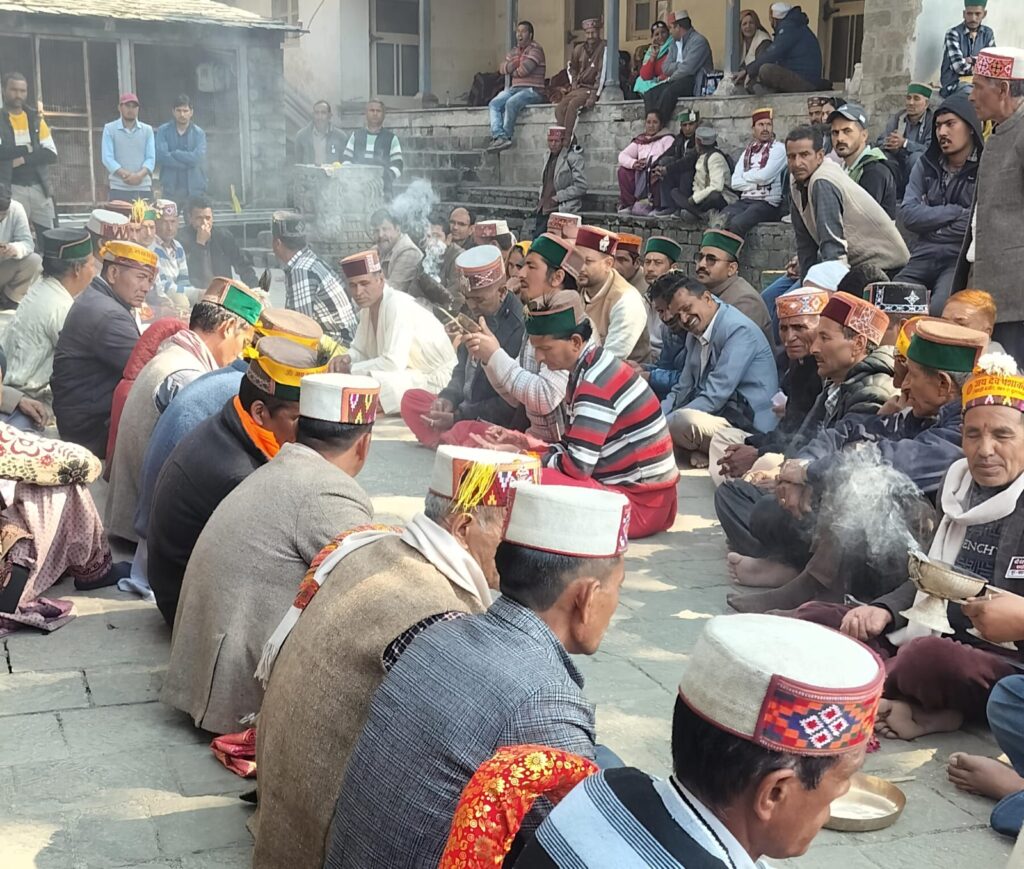
The ritual involves offering grains of rice (chhoda) and dried wild incense flowers known as “bhanwaru” in a special metal plate before the deity. Amid the fragrance of burning incense and rhythmic bell chimes, mantras are recited. The Gur of the deities first perform the worship, followed by the Gur of the goddesses. Thereafter, discussions are held and decisions are pronounced publicly, which are considered final and binding within the Dev Samaj.
A Traditional Judicial Platform
The Harka is widely regarded as a traditional judicial forum of the Dev Samaj. Much like disputes in modern society are settled in courts or police stations, matters within the Dev community are resolved before the deities. The verdict delivered through divine consultation is accepted unanimously and holds supreme authority.
Legacy from the Princely Era
Historically, Hurang Narayan has been revered as the “King of Deities” since the princely era of Mandi. During the time of the former hill state, important decisions were believed to be taken with divine consultation, a tradition that continues today. Similar Harka assemblies are also organized at Hurang Temple in Chohar Valley to address social and religious matters.
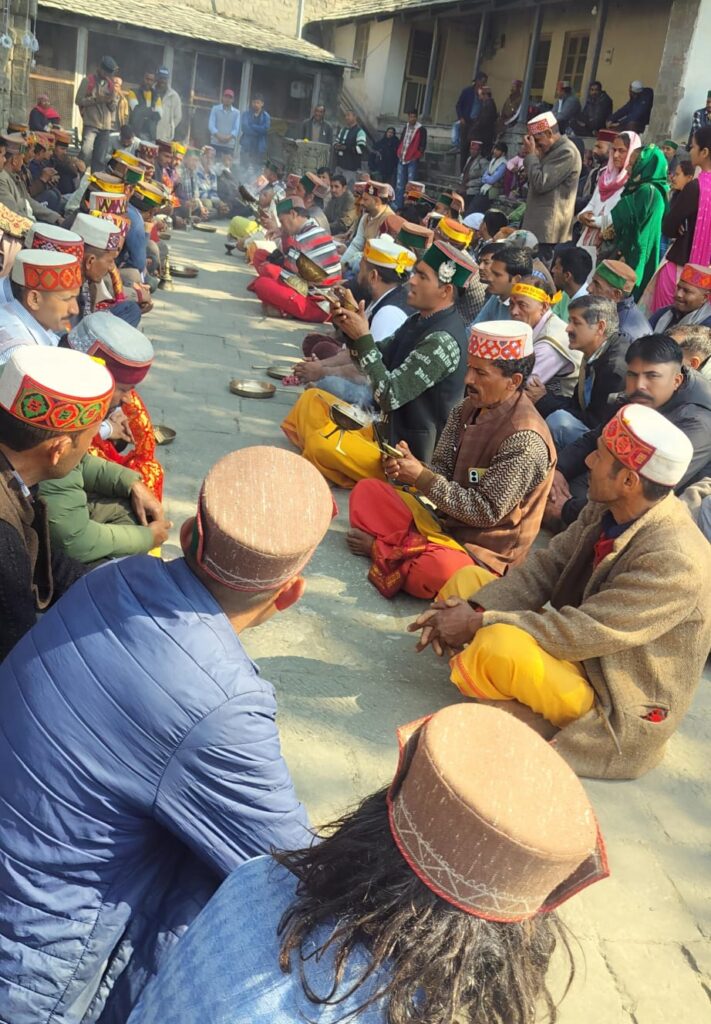
The enduring tradition not only preserves the rich Dev culture of the region but also strengthens communal harmony and cultural unity across Chohar Valley.