
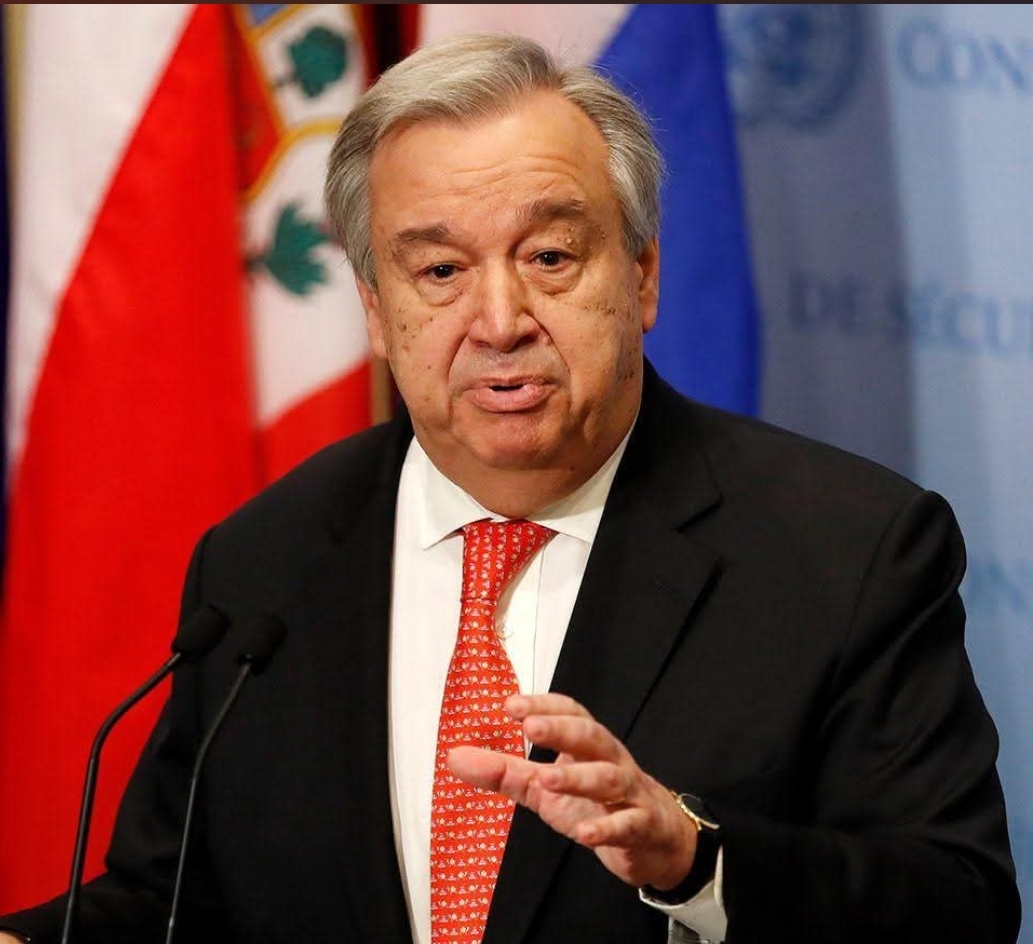
Guterres Warns Against Using Maritime Chokepoints as Weapons as Conflicts Disrupt Global Food Systems.
UNITED NATIONS:
United Nations Secretary-General António Guterres has called for the protection of international shipping and global food supplies as conflicts around the world increasingly disrupt maritime trade, agricultural production and access to essential commodities.
Guterres warned that strategic maritime chokepoints must not be turned into instruments of coercion, stressing that the disruption of commercial shipping can have consequences far beyond the immediate conflict zones.
“Maritime chokepoints must never become instruments of coercion,” Guterres said. “The world’s food supply must never become collateral damage of conflict.”
His warning comes amid growing disruption to global trade and food systems caused by armed conflicts and attacks affecting key maritime routes. Restrictions on shipping and insecurity at sea can delay the movement of food, fertilizer, fuel and other essential goods, increasing costs and putting additional pressure on vulnerable populations.
Conflicts deepen global food insecurity
The disruption of international trade is particularly concerning for countries that depend heavily on imported food and agricultural inputs.
When commercial vessels face attacks or increased security risks, shipping companies may divert vessels, delay journeys or face substantially higher insurance and transportation costs. Such disruptions can ultimately raise food prices and make essential commodities less accessible to poorer communities.
The effects can also extend to agricultural production. Higher costs or shortages of fertilizer, fuel and other farm inputs can reduce farmers’ ability to maintain production, potentially contributing to weaker harvests and further food insecurity.
For populations already affected by conflict, displacement, poverty or climate-related disasters, even relatively small disruptions in food and commodity markets can have severe consequences.
UN chief calls for protection of civilian shipping
Guterres has renewed his call for all parties to respect international law and protect civilian shipping from attacks.
He emphasized the importance of freedom of navigation and urged an end to attacks against commercial vessels, warning that maritime security is closely connected to global economic and food security.
The United Nations has repeatedly stressed that civilian infrastructure and commercial activity must not become targets in armed conflicts. Maintaining safe maritime routes is essential not only for international commerce but also for the delivery of humanitarian assistance and life-saving supplies.
Global trade and food systems are interconnected
Modern food systems depend on a complex international network linking farmers, ports, shipping companies, traders, processors and consumers.
A disruption at a major maritime route can therefore create ripple effects across multiple regions. Delays in the movement of grain, fertilizer, fuel and other commodities can increase prices and compound existing shortages.
For developing countries and import-dependent economies, these pressures can be particularly damaging, potentially worsening hunger and poverty while limiting governments’ ability to respond to humanitarian emergencies.
Guterres’s warning highlights the need to prevent geopolitical conflicts from causing wider damage to civilian populations through disruptions to global trade.
Vulnerable populations face the greatest risks
The consequences of instability in global food systems are not evenly distributed. Low-income households typically spend a larger share of their income on food and are therefore more exposed to price increases.
Children, displaced families and communities already experiencing hunger are among those most vulnerable when food becomes more expensive or humanitarian supply chains are disrupted.
The UN chief’s appeal therefore links maritime security directly with the protection of civilians and the fight against hunger.
Call for international law and freedom of navigation
Guterres is urging states and other actors involved in conflicts to uphold international law, safeguard civilian shipping and preserve freedom of navigation.
He stressed that maritime routes carrying food and other essential goods should not become tools of political or military pressure.
The United Nations’ message is that protecting commercial shipping is not simply a matter of maintaining trade. It is also essential to protecting food security, preventing further humanitarian suffering and ensuring that conflicts do not cause unnecessary harm to vulnerable people far beyond the battlefield.
As conflicts continue to place pressure on global trade and food systems, Guterres’s appeal underscores the importance of keeping maritime chokepoints open, commercial vessels protected and the world’s food supply insulated from the consequences of warfare wherever possible.