Trump Signs Executive Order Imposing Sweeping Sanctions on Cuban Officials.
Washington, D.C.:
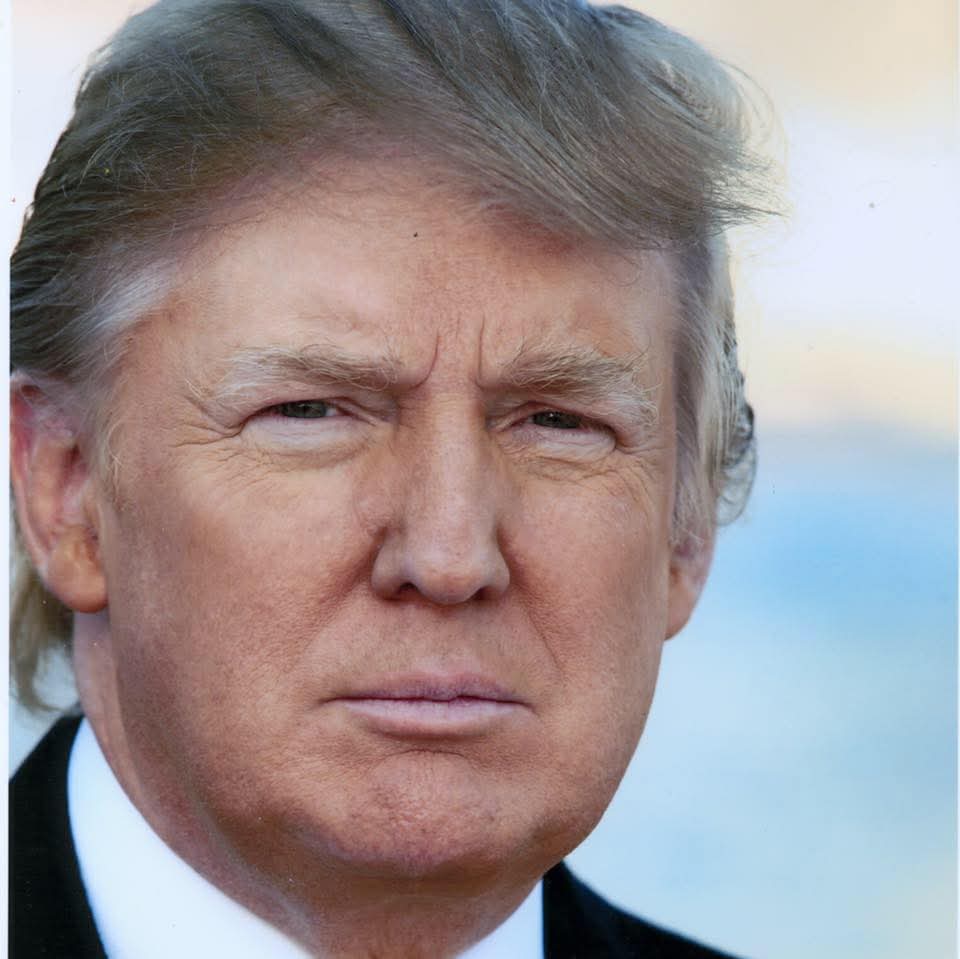
U.S. President Donald J Trump has signed a new executive order imposing expanded sanctions on officials and entities linked to the Cuban government, citing threats to American national security and foreign policy.
The move significantly broadens existing restrictions on under the International Emergency Economic Powers Act. According to the White House, the order targets individuals, organizations, and affiliates that support Cuba’s security apparatus, are involved in corruption or serious human rights violations, or act on behalf of the Cuban government.
Expanded Scope of Sanctions
The executive order introduces new measures allowing sanctions against:
- Entities and individuals complicit in repression or corruption
- Supporters of Cuban intelligence and security operations
- Financial institutions or intermediaries facilitating transactions with sanctioned parties
Officials stated that the measures are designed to disrupt the Cuban government’s operational networks and limit its ability to conduct international financial activities.
National Security Concerns
The administration described Cuba as a growing national security concern, accusing the government of aligning with adversarial nations and supporting destabilizing activities in the region.
Among the key allegations outlined:
- Hosting foreign intelligence facilities targeting the United States
- Maintaining ties with state sponsors of terrorism, including
- Providing safe haven to groups such as
- Facilitating regional instability and migration pressures
The White House also cited human rights concerns, accusing the Cuban government of repressing political dissent, restricting free speech, and spreading ideological influence across Latin America.
Migration and Regional Impact
Officials highlighted that over 850,000 migrants from Cuba have arrived in the United States between 2022 and late 2024, attributing the surge to economic hardship and political repression under the Cuban regime.
The administration argued that Cuba’s proximity—less than 100 miles from U.S. territory—amplifies the risks posed by alleged intelligence and military activities conducted on the island.
Continuation of “America First” Policy
The sanctions are part of President Trump’s broader foreign policy strategy aimed at confronting governments seen as hostile to U.S. interests. The White House noted that this action builds on earlier measures taken during his first term, including redesignating Cuba as a State Sponsor of Terrorism and reversing prior policy shifts.
Recent steps have included:
- A 2025 national security memorandum tightening engagement with Cuba
- A 2026 executive order imposing tariffs on countries supplying oil to Cuba
Broader Security Operations
The administration also pointed to a series of recent military and security operations aimed at countering international threats. These include actions targeting narcotics trafficking networks and operations addressing threats linked to countries such as and .
Strategic Objective
The White House emphasized that the new sanctions are intended to hold the Cuban government accountable while supporting the Cuban people through increased pressure on the ruling establishment.
Officials stated that the measures are part of an ongoing effort to protect U.S. national security, counter foreign influence in the Western Hemisphere, and promote human rights and democratic values in the region.