Seven Children Killed, 38 Injured as Violence Escalates in Lebanon: UNICEF.
Beirut:
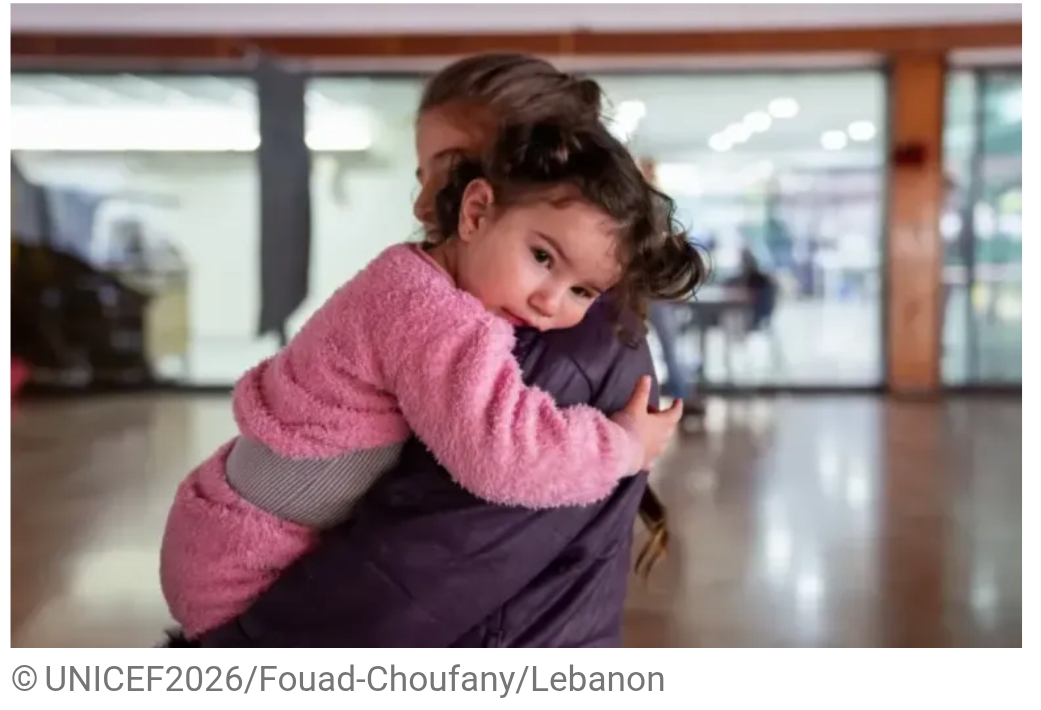
Children are increasingly bearing the brunt of the escalating violence in Lebanon, with seven children killed and 38 others injured in the past 24 hours, according to the country’s Ministry of Public Health Lebanon.
The casualties come amid intensified airstrikes targeting several regions across the country, which have triggered large-scale displacement and worsened an already fragile humanitarian situation.
According to initial reports, nearly 60,000 people have been newly displaced within the last 24 hours alone, including around 18,000 children. The new wave of displacement adds to tens of thousands of families already forced to flee their homes due to the ongoing hostilities.
Authorities said that more than 12,000 families have taken shelter in over 300 emergency shelters opened nationwide. However, several of these facilities have already reached full capacity, highlighting the growing pressure on humanitarian resources.
Reacting to the rising toll on children, Marcoluigi Corsi, Representative of UNICEF in Lebanon, expressed deep concern over the situation.
“No child should ever be killed or be left to bear the lifelong physical and emotional scars of violence,” Corsi said. “The violence must stop. Children must always be protected.”
As humanitarian needs continue to surge, UNICEF has significantly scaled up its emergency response efforts across the country. Rapid Response Teams have been deployed to collective shelters to distribute life-saving supplies to displaced families. Essential medical supplies are also being delivered to public health facilities in coordination with the Ministry of Public Health.
In addition, UNICEF-supported mobile primary healthcare satellite units have been expanded to 37 units. These units are providing medical consultations, immunizations, and urgent healthcare services to displaced families in affected areas.
Hospitals across Lebanon are also receiving support to maintain access to neonatal and pediatric intensive care services, ensuring that critically ill children continue to receive life-saving treatment.
Inside shelters, UNICEF and its partner organizations are focusing on providing psychosocial support, child protection services, and educational continuity for displaced children. Online and remote learning platforms are being used to ensure that children’s education continues despite the ongoing crisis.
Nutrition supplies are being pre-positioned to address potential shortages, while specialized child protection teams are identifying and assisting injured, unaccompanied, and separated children.
Humanitarian agencies are also preparing emergency cash assistance to support up to 45,000 vulnerable families with children, working through existing national social protection systems.
UNICEF stated that its Response and Preparedness Plan requires approximately US$48 million to provide assistance to one million people affected by the crisis. However, only 16 percent of the required funding has been received so far, raising concerns about the ability to sustain relief efforts.
The organization has reiterated its call on all parties involved in the conflict to respect their obligations under international humanitarian law, protect civilians—particularly children—and ensure safe and unhindered access for humanitarian aid across the country.